What’s it like buying a home in Raleigh?
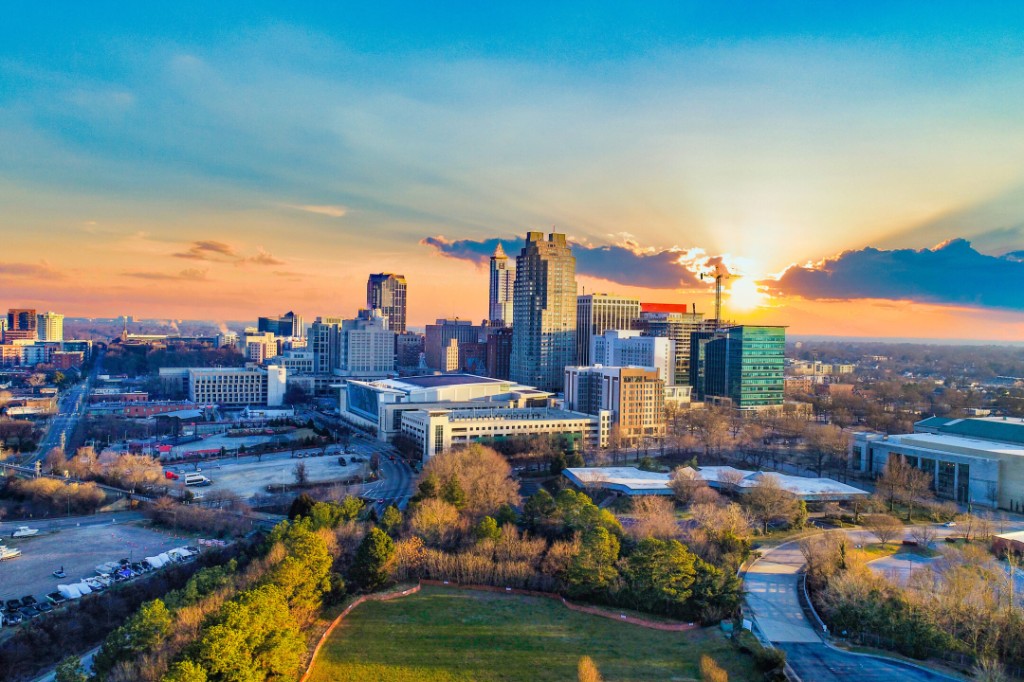
Raleigh anchors the Research Triangle, a magnet for tech and biotech jobs that keeps pulling in young professionals and families. The mix of universities, steady employers, and Southern livability makes it popular and competitive. Prices are reasonable for a growing metro, so getting financing ready early helps you stand out when you find the right home.
What’s the average home price in Raleigh?
The median home price in Raleigh is around $430,000, a solid value for a fast-growing job market. Prices range from in-town bungalows to newer suburban builds in Cary, Apex, and Wake Forest. I’ll help you set a budget for the specific area you want rather than relying on a broad citywide average.
What are the best neighborhoods in Raleigh for families?
Families often favor Cary, Apex, and North Raleigh for schools and newer homes, while in-town areas like Five Points offer charm and walkability. Wake Forest and Holly Springs give more space for the money. Schools, commute to the Triangle, and budget drive the decision, and I’m happy to help you weigh the trade-offs.
What mortgage rates are available in Raleigh?
Mortgage rates are national, not local, so I won’t post a Raleigh-specific number here. What’s local is how your credit, down payment, loan program, and the property shape your options. Rates move daily and depend on your full picture. The smart first step is getting pre-qualified so we can talk real numbers for your situation.
What loan programs work best in Raleigh?
Raleigh’s relocation-heavy market sees a lot of first-time buyers using low-down programs like HomeReady and HomePossible, plus conventional loans for stronger credit. FHA helps flexible-credit buyers, qualified veterans can use VA benefits, and self-employed tech and biotech workers need a file built around real income. As your loan officer, I match the program to you.
How much do you need for a down payment in Raleigh?
Less than many people expect. Several first-time programs allow as little as 3% down, FHA runs about 3.5%, and eligible veterans may put zero down with a VA loan. On a $430,000 Raleigh home, that’s a wide range of cash to close. I’ll walk you through what each option means for your monthly payment.
What are property taxes like in Raleigh?
North Carolina property taxes are moderate, with Wake County effective rates often near 0.85% of value. Your exact bill depends on the property and municipal rates. Compared with higher-tax states, that’s manageable, but it still belongs in your monthly budget. I always include real taxes in your payment estimate so closing day holds no surprises.
Raleigh vs Charlotte: which is better for buyers?
Raleigh leans toward research, tech, and education jobs with a college-town feel, while Charlotte is a bigger banking and finance hub with a more urban core. Prices are broadly comparable. Your industry, commute, and lifestyle decide it. Tell me your priorities and budget, and I’ll help you compare the two Carolinas markets with real numbers.
Is Raleigh a good place to buy long term?
Raleigh has strong long-term fundamentals: a diverse, growing job base, steady migration, and relative affordability for a major metro. No market is guaranteed, but buying within a comfortable budget and planning to stay several years has treated Raleigh owners well. The key is choosing a payment that fits your real monthly life.
Who’s a great mortgage loan officer in Raleigh?
I’m Niko Kramer, a mortgage loan officer licensed in North Carolina with access to 100+ lenders across the market. I specialize in first-time buyers, veterans, and self-employed borrowers, and I explain everything in plain English. Buying in Raleigh? Take 60 seconds to Find Your Rate and I’ll reach out personally.